
Winter sports are some of the most exciting ways to stay active, from carving down alpine slopes and hitting jumps on your snowboard to gliding across serene cross-country trails. But whether you’re a beginner or a seasoned athlete, skiing and snowboarding can put a lot of stress on your muscles, joints, and balance. At Altea Physiotherapy, we want you to enjoy the snow safely—and that starts with preparation, awareness, and smart recovery.
Here are our top tips for skiing, snowboarding, and cross-country enthusiasts to stay strong, prevent injuries, and make the most of every snowy adventure:
1. Warm Up Properly
Before hitting the slopes or trails, spend 5–10 minutes warming up with dynamic stretches and light cardio. Leg swings, lunges, arm circles, and gentle twists help increase blood flow to your muscles and prepare your joints for the day ahead.
2. Strengthen Year-Round
Strong muscles protect your joints and improve performance. Focus on your legs, core, and upper body with exercises like squats, lunges, planks, and resistance band workouts. Downhill skiers benefit from powerful quads and glutes, snowboarders need strong hips and core stability, and cross-country skiers require endurance in both the upper and lower body.
3. Improve Balance and Stability
Balance is key for all snow sports. Incorporate single-leg exercises, wobble boards, or stability ball routines into your training to help you stay controlled on uneven terrain, tight turns, or jumps.
4. Prioritize Flexibility and Mobility
Stretching and mobility work can reduce the risk of strains in your knees, hips, back, and shoulders. Yoga or dedicated mobility sessions can also improve technique and efficiency on skis and snowboards.
5. Listen to Your Body
Pain is your body’s way of telling you something isn’t right. Don’t push through aches or soreness—early physiotherapy can prevent minor issues from becoming serious injuries.
6. Focus on Proper Technique
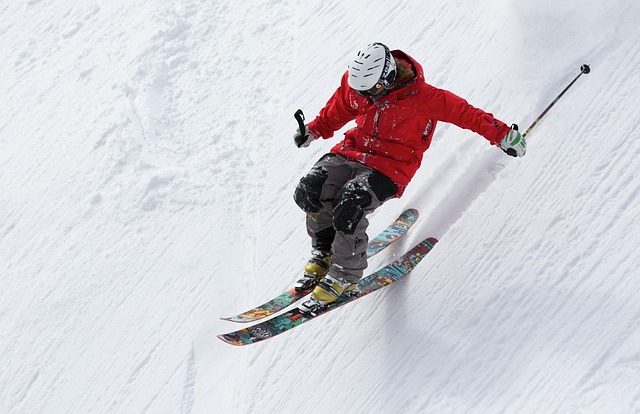
Using correct posture and movement patterns is crucial. Downhill skiers should engage their core and bend their knees appropriately, snowboarders should maintain balanced weight distribution, and cross-country skiers should keep efficient, controlled strides.
7. Layer Smartly and Stay Hydrated
Cold weather can mask fatigue and dehydration. Dress in moisture-wicking layers, wear appropriate gloves and goggles, and sip water throughout the day—even when it feels cold.
8. Protect Your Joints
Supportive boots, properly adjusted bindings, helmets, and protective gear like wrist guards or knee braces help reduce the risk of injury, especially for those returning from previous injuries.
9. Rest and Recover
Give your muscles and joints time to recover between sessions. Foam rolling, gentle stretching, and physiotherapy treatments can help minimize soreness and prevent overuse injuries.
10. Prepare for Falls
Falling is part of skiing and snowboarding. Learning how to fall safely can reduce injuries. Keep your arms slightly bent, try not to stiffen, and roll with the impact rather than resisting it.
11. Include Cross-Training
Cycling, swimming, or light gym workouts during the off-season maintain cardiovascular fitness and muscular endurance for cross-country skiing and general slope performance.
12. Check Your Equipment
Regularly inspecting your skis, snowboard, poles, and bindings ensures your gear is safe and properly adjusted for your weight, skill level, and sport.
13. Consider Physiotherapy Check-Ins
Even if you’re injury-free, a physiotherapist can assess your movement, identify weaknesses, and give you sport-specific exercises to improve strength, stability, and performance.
14. Know Your Limits
Pushing too hard can lead to fatigue and accidents. Gradually increase intensity, pace yourself, and listen to your body to stay safe and enjoy longer days on the slopes.
15. Practice Mindfulness
Stay aware of trail conditions, other skiers, and your surroundings. Focused attention improves technique, prevents collisions, and helps you fully enjoy your snowy adventure.
Ski, Snowboard, and Glide with Confidence
Winter sports are meant to be fun, energizing, and rewarding. By preparing your body, practicing smart techniques, and seeking support from physiotherapy when needed, you can reduce your risk of injury and maximize your performance. At Altea Physiotherapy, we help athletes of all levels stay strong, recover faster, and enjoy every moment on the snow.