
Concussion recovery isn’t always linear. In fact, one of the most frustrating parts of healing is when symptoms suddenly return or worsen weeks after you thought you were improving. At Altea Physiotherapy, we see this often. And the good news? It doesn’t mean you’ve “re-injured” your brain.
Let’s talk about why this happens.
Recovery Isn’t a Straight Line
Many people expect concussion recovery to look like a steady improvement until symptoms disappear. In reality, recovery looks more like two steps forward, one step back.
Flare-ups are common especially when the brain is challenged before it’s fully ready.
Common Reasons Symptoms Spike
Cognitive Overload
You felt better… so you:
- Returned to full work hours
- Spent more time on screens
- Multitasked
- Pushed through fatigue
The brain is still healing metabolically. Even if symptoms are mild, overloading it can trigger headaches, fogginess, or dizziness.
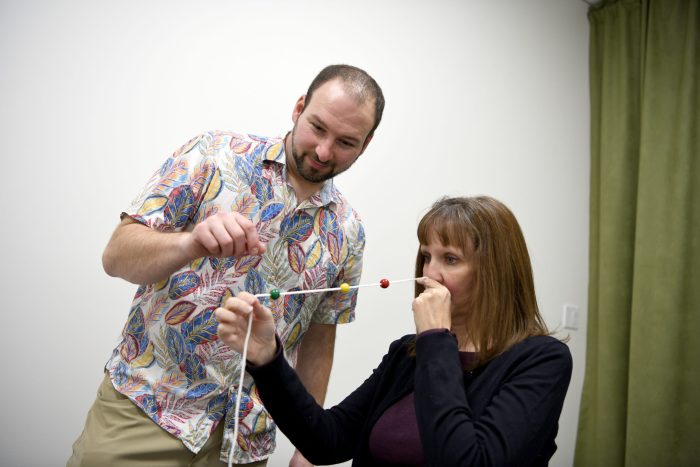
Vestibular or Visual System Fatigue
Many lingering concussion symptoms aren’t coming from the brain injury itself; they’re coming from:
- The balance system
- Eye tracking dysfunction
- Sensory processing overload
These systems fatigue quickly. Without specific rehab, symptoms resurface under stress.
Neck (Cervical Spine) Involvement
Whiplash and concussion frequently occur together.
- Neck dysfunction can cause:
- Headaches
- Dizziness
- Brain fog
- Visual strain
- Pressure in the head
If the cervical spine isn’t addressed properly, symptoms may persist or flare.
Nervous System Dysregulation
After concussion, the nervous system can become hypersensitive.
This can show up as:
- Increased anxiety
- Poor sleep
- Sensitivity to light or noise
- Heart rate changes with minimal activity
Graded exposure and structured rehabilitation help calm this system.
Why Rest Alone Isn’t Enough
Early rest after a concussion is important. In the first 24–48 hours, allowing the brain to settle can help reduce symptom intensity. However, prolonged rest beyond the initial phase can actually delay recovery. Current concussion research supports a gradual return to activity rather than extended avoidance. Guided exercise, vestibular rehabilitation when indicated, cervical spine treatment, and targeted visual therapy all play a role in modern concussion care. The key is not simply resting it’s knowing when and how to safely progress.
What a Flare-Up Actually Means
A symptom flare-up can feel discouraging, but it usually has a clear explanation. A spike in symptoms often means your brain was challenged slightly beyond its current capacity. It may indicate that one system — such as the neck, balance system, visual system, or autonomic nervous system hasn’t fully recovered yet. Sometimes it simply means activity progressed a little too quickly without you realizing it.
What it does not automatically mean is that you re-concussed yourself, caused permanent damage, or need to restart recovery from day one. In most cases, a flare-up is information not failure. With proper assessment, we can determine what’s driving the increase in symptoms and adjust your plan accordingly.
How We Approach This at Altea Physiotherapy
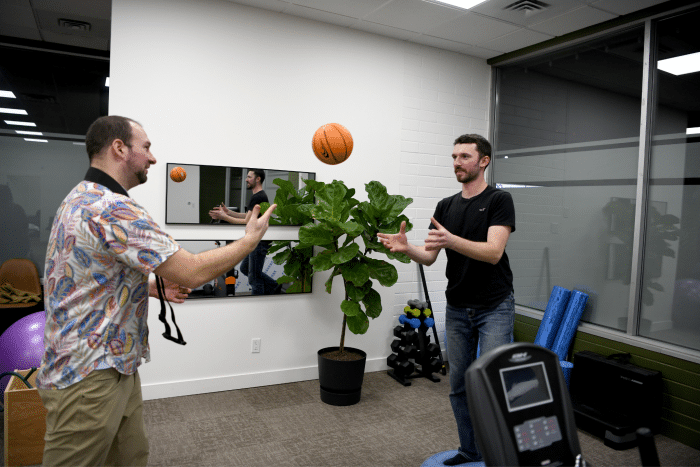
No two concussions are the same, and flare-ups provide valuable insight into what your system needs next. At Altea Physiotherapy, Jon focuses on comprehensive concussion assessment and structured, graded return-to-activity planning. Carly specializes in assessing and treating vestibular dysfunction and complex balance disorders. Together, we evaluate the cervical spine, visual tracking, exertional tolerance, and nervous system regulation to understand the full picture.
As a husband-and-wife team working closely together, we collaborate on each case to ensure nothing is overlooked. We don’t just treat a diagnosis we assess the individual systems contributing to your symptoms and build a targeted recovery plan.
Because concussion recovery isn’t about waiting. It’s about guiding the brain and body back to resilience.
If Your Symptoms Came Back…
If your symptoms have returned or flared, that does not mean you’ve failed. It means your system needs adjustment not avoidance. Concussion recovery is rarely linear, but with the right assessment and the right progression plan, it is absolutely achievable.